Who Is Maa Siddhidatri?
Maa Siddhidatri is the ninth form of Navdurga. Her name comes from two Sanskrit words:
- Siddhi: Spiritual accomplishment or divine power.
- Datri: The one who grants or bestows.
Together, Siddhidatri means "The Goddess Who Grants Divine Powers and Spiritual Accomplishments."
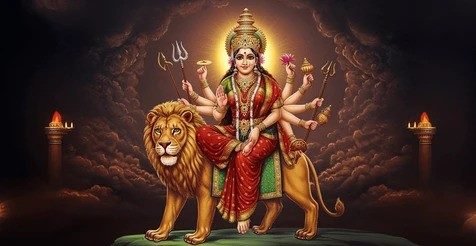
Maa Siddhidatri is traditionally depicted with four arms, holding a discus (Chakra), conch (Shankha), mace (Gada), and lotus flower.
She is often shown seated on a fully bloomed lotus, symbolizing purity, wisdom, and spiritual awakening. A lion is also associated with her as a divine vehicle.
Her peaceful and radiant appearance represents spiritual perfection, divine knowledge, and the fulfillment of devotion.
The Mythological Story of Maa Siddhidatri
According to Hindu mythology, at the beginning of creation, Lord Shiva worshipped Adi Shakti, the Supreme Divine Mother, to obtain spiritual perfection.
It is believed that through the blessings of Maa Siddhidatri, Lord Shiva attained divine powers and spiritual accomplishments.
Some religious traditions associate this divine union of Shiva and Shakti with the manifestation of Ardhanarishvara, the sacred form representing the inseparable nature of masculine and feminine cosmic energies.
Maa Siddhidatri is believed to grant eight major Siddhis:
- Anima: The ability to become extremely small.
- Mahima: The ability to become infinitely large.
- Garima: The ability to become extremely heavy.
- Laghima: The ability to become extremely light.
- Prapti: The power to attain desired things.
- Prakamya: The ability to fulfill one's wishes.
- Ishitva: The power of divine authority.
- Vashitva: The power of control and mastery.
These Siddhis are described in Hindu spiritual traditions as extraordinary accomplishments associated with advanced spiritual realization.
Significance of Worshipping Maa Siddhidatri on Navratri Day 9
The ninth day of Navratri holds special spiritual importance because it marks the culmination of the nine-day worship of Goddess Durga.
Devotees believe that worshipping Maa Siddhidatri helps cultivate:
- Divine wisdom and spiritual awareness.
- Inner peace and emotional balance.
- Strength, courage, and confidence.
- Positive thinking and clarity.
- Devotion, discipline, and self-realization.
- Blessings for happiness and prosperity.
Maa Siddhidatri teaches devotees that true success comes not only from material achievements but also from wisdom, compassion, devotion, and inner harmony.
Maa Siddhidatri Puja Vidhi: Step-by-Step Worship Procedure
Devotees can perform Maa Siddhidatri Puja at home with sincerity and devotion.
Step 1: Morning Purification
Wake up early, take a bath, and wear clean clothes. Clean the worship area and prepare the puja materials.
Step 2: Establish the Goddess's Image
Place an idol or picture of Maa Siddhidatri on a clean platform decorated with flowers.
Light a diya (oil lamp) and incense sticks.
Step 3: Offer Flowers and Prasad
Offer fresh flowers, fruits, coconut, sweets, and other traditional offerings to the Goddess.
Lotus flowers are especially associated with Maa Siddhidatri.
Step 4: Chant the Sacred Mantra
Chant the following mantra with devotion:
ॐ देवी सिद्धिदात्र्यै नमः॥
Om Devi Siddhidatryai Namah.
This mantra is traditionally recited to seek the blessings of Maa Siddhidatri.
Step 5: Perform Aarti
Perform Maa Durga Aarti and pray for wisdom, peace, and the well-being of your family.
Step 6: Kanya Pujan and Prasad Distribution
According to family traditions, devotees may perform Kanya Pujan, offer meals to young girls, and distribute Prasad.
Maa Siddhidatri Mantra and Its Spiritual Meaning
Maa Siddhidatri Beej Mantra
ॐ देवी सिद्धिदात्र्यै नमः॥
English Transliteration:
Om Devi Siddhidatryai Namah.
Meaning:
"I bow to Goddess Siddhidatri, the divine mother who grants spiritual accomplishments and wisdom."
Maa Siddhidatri Dhyan Mantra
सिद्धगन्धर्वयक्षाद्यैरसुरैरमरैरपि।
सेव्यमाना सदा भूयात् सिद्धिदा सिद्धिदायिनी॥
Meaning:
"May Goddess Siddhidatri, worshipped by celestial beings and divine entities, always bless us with spiritual accomplishments."
Devotees traditionally chant these mantras to strengthen their devotion and develop spiritual concentration.
What Bhog Is Offered to Maa Siddhidatri?
On the ninth day of Navratri, devotees traditionally offer coconut and other sattvic food items to Maa Siddhidatri.
Common offerings include:
- Coconut
- Fresh fruits
- Halwa
- Puri and black chickpeas
- Traditional homemade sweets
The exact offerings may vary according to regional customs and family traditions.
Importance of Kanya Pujan on Navami
Kanya Pujan is an important tradition observed during Ashtami or Navami.
Young girls are respectfully worshipped as symbolic manifestations of the Divine Mother.
Devotees traditionally wash their feet, offer prayers, serve food, and present gifts or Dakshina.
This ritual symbolizes respect for feminine divinity, purity, kindness, and the nurturing power of Goddess Durga.
Kanya Pujan also reminds devotees of the importance of honoring and respecting girls and women in everyday life.
Spiritual Benefits of Maa Siddhidatri Worship
According to Hindu religious beliefs, worshipping Maa Siddhidatri is associated with several spiritual blessings.
1. Divine Wisdom
Her worship symbolizes the development of knowledge, understanding, and spiritual awareness.
2. Inner Peace
Devotion to the Goddess encourages calmness, patience, and emotional harmony.
3. Strength and Confidence
Maa Siddhidatri represents the courage to overcome life's difficulties with faith and determination.
4. Success and Prosperity
Devotees seek her blessings for progress, fulfillment, and prosperity.
5. Spiritual Enlightenment
Her worship represents the journey toward self-realization and deeper spiritual understanding.
These benefits are rooted in religious faith and traditional spiritual teachings.
Why Is Maa Siddhidatri Worshipped on the Final Day of Navratri?
Each of the nine forms of Goddess Durga represents a unique aspect of divine feminine energy.
Maa Siddhidatri represents the final stage of spiritual development, where devotion, discipline, wisdom, and faith come together.
Worshipping her on Navami symbolizes the completion of the Navratri spiritual journey.
The festival encourages devotees to carry the values of kindness, strength, self-discipline, and compassion into their daily lives.
Conclusion
Maa Siddhidatri, the ninth form of Goddess Durga, symbolizes divine wisdom, spiritual perfection, and enlightenment.
As Navratri reaches its final day, devotees seek her blessings for peace, happiness, prosperity, and spiritual growth.
May Maa Siddhidatri bless everyone with wisdom, courage, positivity, and a peaceful life.
Happy Maha Navami 2026!
Jai Maa Siddhidatri! Jai Mata Di!
Celebrate Navratri with AstroSane
At AstroSane — Sarvang Jyotish Darshan, we help you explore traditional astrology, Vedic puja practices, and spiritual knowledge.
Explore our services:
- Astrology: Astrology consultations, Kundli analysis, and horoscope guidance.
- Puja: Vedic puja and traditional religious rituals.
- Spiritual Products: Rudraksha, gemstones, yantras, and spiritual accessories.
Visit: https://astrosane.com
Contact: +91 74579 45450
AstroSane — सर्वांग ज्योतिष दर्शन
Disclaimer: The religious stories, rituals, and spiritual benefits described in this article are based on traditional Hindu beliefs and practices.